
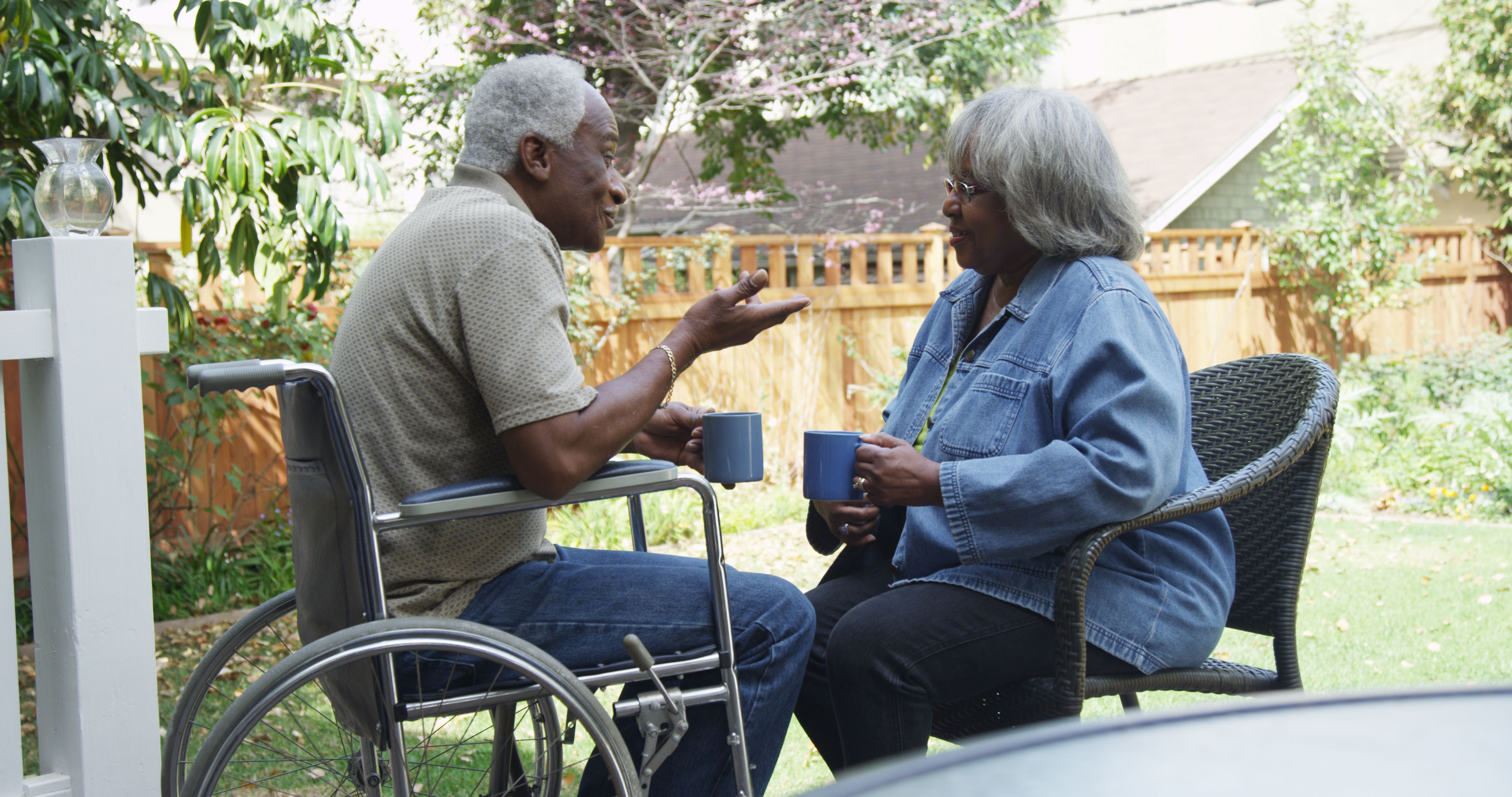
The rural older adult population in the United States is growing rapidly and facing a distinct set of challenges and opportunities. In 2022, one in five rural residents was age 65 or older, and rural communities are aging at a faster rate than urban and suburban areas. Additionally, the population of adults age 85 and older is projected to more than double by 2040, reaching 13.7 million individuals nationwide.
Older adults living in rural areas tend to experience higher rates of chronic conditions, including obesity, diabetes, and heart disease, as well as an increased risk of falls. They are also more likely to encounter barriers to accessing healthcare, transportation, affordable housing, and aging and disability services that support aging in place. At the same time, rural communities often benefit from strong social cohesion and greater access to natural green spaces, both of which are associated with improved health outcomes.
Given both the rapid growth of the rural older adult population and the challenges they face, there is a clear need for targeted policy and programmatic responses. Addressing these issues will be critical to ensuring that older adults in rural communities have access to high-quality supports at the local, state, and federal levels. One federal program that provides states with an opportunity to mitigate rural health challenges is the Rural Health Transformation Program, a $50 billion investment in rural health over the next five years.
Resources


PACE in Rural America
From the National Advisory Committee on Rural Health and Human Services

State Strategies to Support Older Adults Aging in Place in Rural Areas
From the National Academy for State Health Policy

Transforming Rural Health Care Through Medicaid Innovation
From Center for Health Care Strategies

PACE in Rural Communities: Emerging Evidence on Integrated Care for Older Adults
From Center for Health Care Strategies

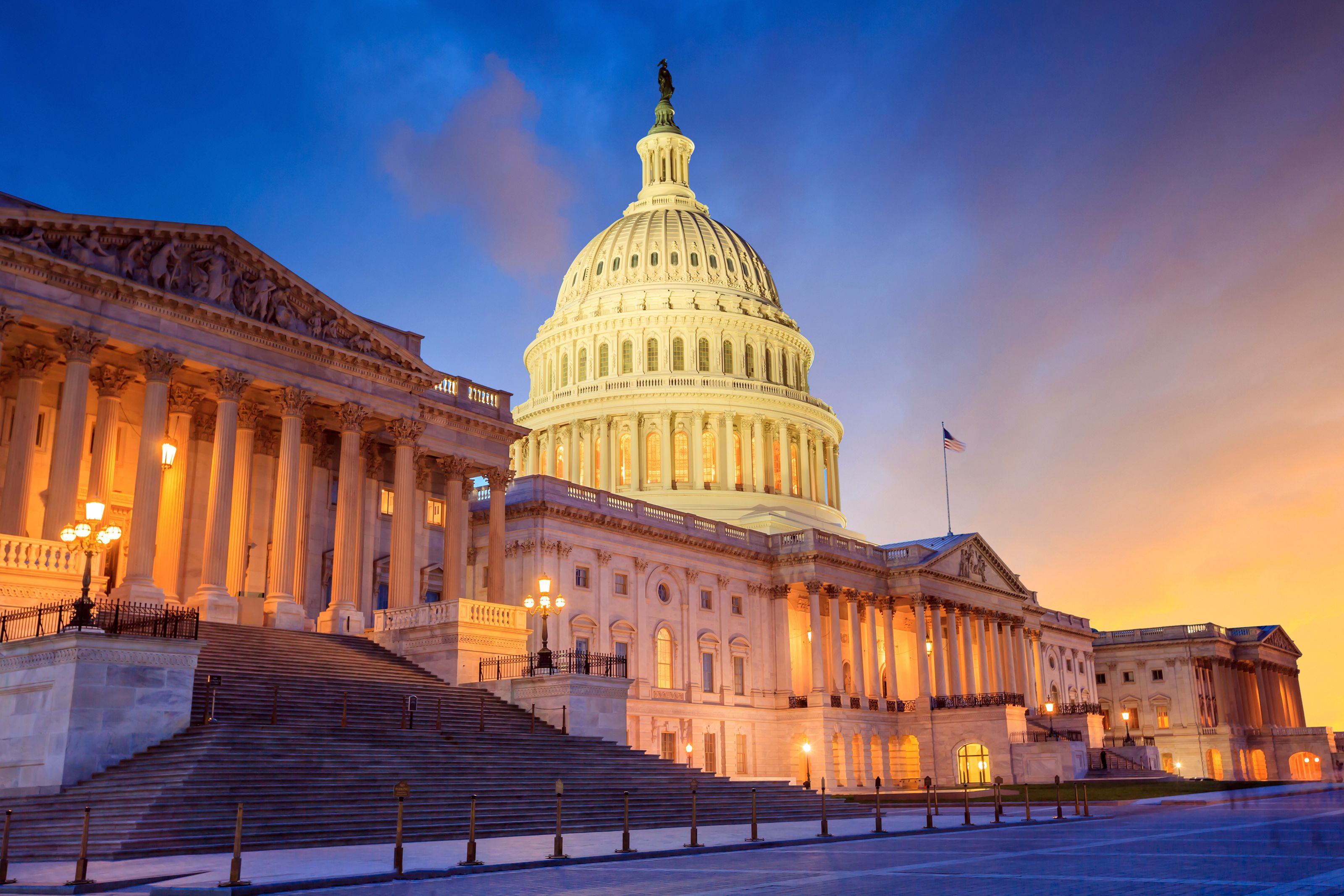
The Centers for Medicare & Medicaid Services (CMS) announced the Rural Health Transformation Program (RHTP) in September 2025. The goal of the program is to help states expand access to care in rural communities, strengthen the rural health workforce, modernize rural facilities and technology, and support innovative models that bring high-quality, dependable care closer to home.
Over the next five years, CMS will invest $50 billion in funding, with $10 billion available each year from 2026 through 2030. First-year awards were announced in December 2025; all 50 states received funding, with an average award of $200 million.
In their RHTP applications, states proposed initiatives to address a number of health, access, and quality challenges. Specific to the aging and disability network, states chose to address integrated care for dually eligible older adults, fall prevention and health promotion programming, enhanced access to nutrition services, mobile healthcare and telehealth expansion, and coordinated transportation, among other areas of interest.
Resources